A bottle marked “vitamin C” leaves out an important detail: the ingredient may appear in different forms, and those formulas can behave differently. The label can help you compare options, but it cannot promise a particular result for every person. Glow Guide’s links may be affiliate links, which means we may earn a commission if you buy through them; that does not change the caveats we include.
Look for the named form
L-ascorbic acid is one form of vitamin C used in skincare, while other products use vitamin C derivatives with different ingredient names. Don’t assume that every form has the same formula characteristics or will feel the same on your skin. If the product page only says “vitamin C complex” without clearly identifying the ingredients, check the full ingredient list before comparing it with another serum.
Consider the bottle too
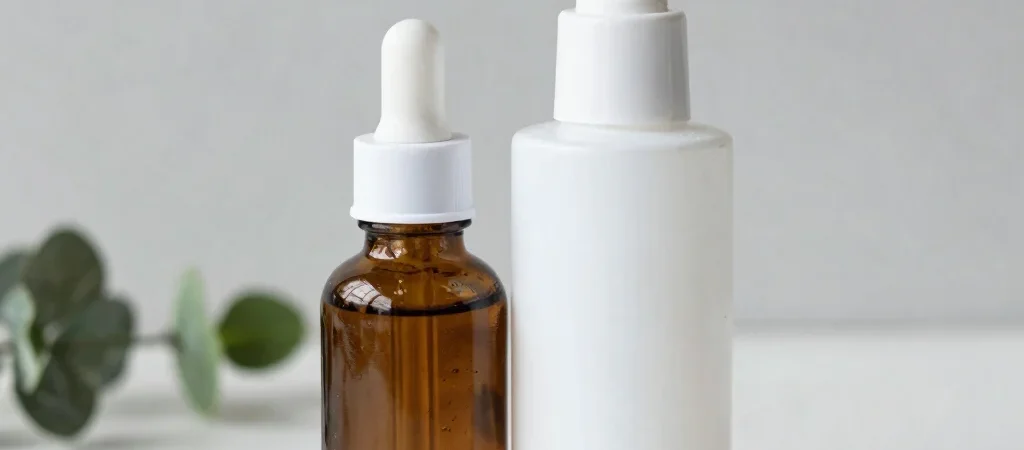
Packaging can affect how practical a serum is to use and store. An opaque or tinted container can limit light exposure compared with a clear bottle, while a pump may make dispensing less fussy than a dropper. These details do not establish product quality on their own, but they are useful points of comparison alongside the formula.
Decide whether it fits
A new serum is easier to evaluate when you introduce it as the only new step in your routine and follow the product’s directions. If you already use several active skincare products, consider whether another serum adds a clear purpose or simply adds complexity. Choose the product whose ingredient information, packaging, and texture make sense for your routine—not the one with the loudest promise.