A rich cream can feel reassuring in the jar and too heavy once it meets sunscreen and makeup. Instead of choosing by claims alone, match the moisturizer’s texture and ingredient list to the rest of your routine. This guide compares formula types rather than hands-on reviews of specific products; if we include affiliate links, Glow Guide may earn a commission at no extra cost to you.
Start with the finish
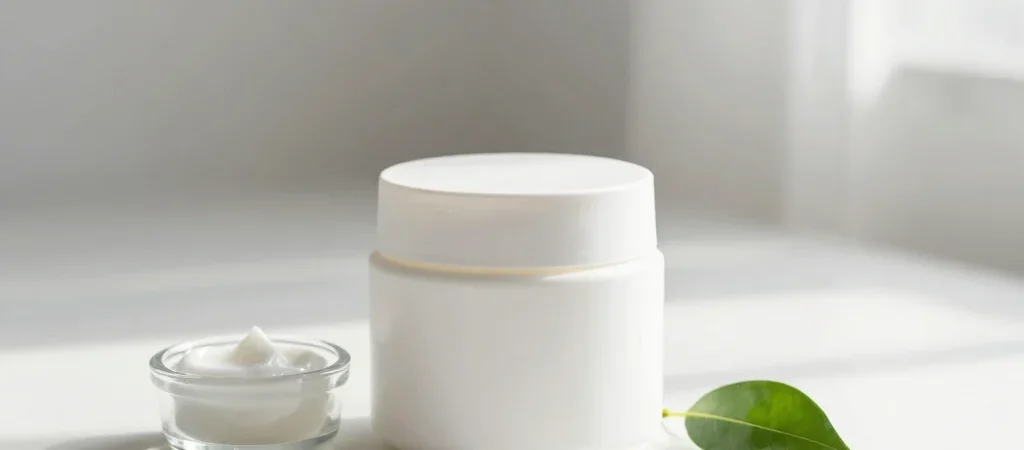
Light lotions and gel-creams tend to make sense when you prefer a quick-drying layer or already use several leave-on products. Creams usually feel more substantial, which can be appealing when your skin feels dry or when a lighter lotion leaves you wanting another layer. Neither texture is automatically better; the useful test is whether you’ll enjoy applying it consistently.
Read beyond the front label
Glycerin is a humectant commonly used to help attract water to the outer layers of skin, while ingredients such as petrolatum can help reduce moisture loss by forming a protective layer. Ceramides are another ingredient family you may see in moisturizers, often alongside other emollients and humectants. A short ingredient list is not proof of a better formula, so consider the whole product and how it fits with what you already use.
Make room in your routine
If your morning routine already includes a sunscreen that feels moisturizing, a lighter layer underneath may be enough—or you may not need a separate moisturizer every morning. At night, a richer texture may feel more comfortable if your skin tends to feel tight after cleansing. Try one change at a time so you can tell whether the new formula suits you.