
Beauty services
Topical routines that work alongside professional care
We map recommended at-home topical regimens and skin-prep protocols, so you can see how a serum or cleanser fits before and after a professional visit.
Every guide starts with what a product is meant to do, what its ingredient list suggests, and who it may suit. We spell out trade-offs rather than promising identical results.
Affiliate disclosure: Glow Guide may earn a commission from some product links. Recommendations remain independent.
Routine focus
Barrier, hydration, and exfoliation pacing
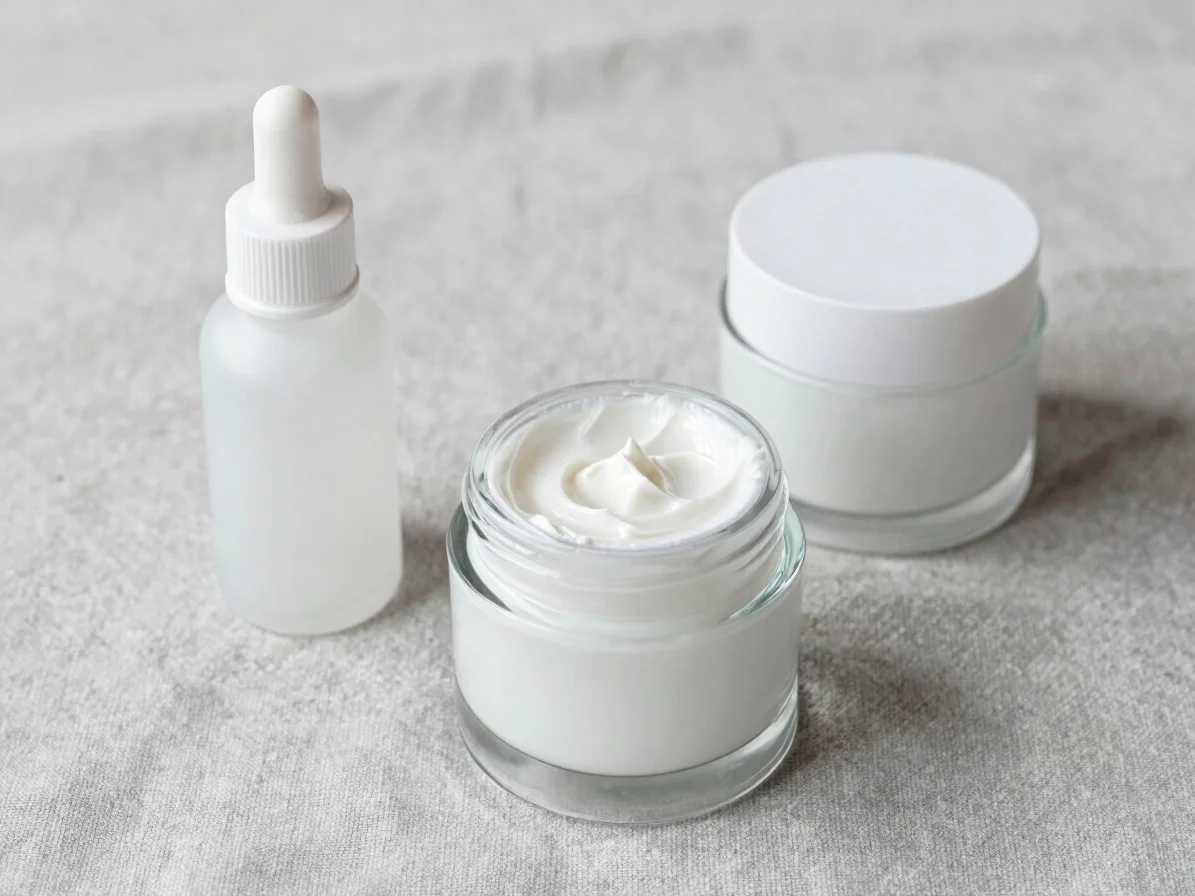
Skin barrier assessment
Look for gentle, fragrance-light formulas when your skin feels tight or reactive. A simple barrier-support cream can be a steady part of a routine before you add stronger actives.
Check the ingredient list for familiar moisturizers such as glycerin or ceramides, and note any stinging or redness after use.
Seasonal hydration adjustments
Drier months often call for richer textures in the evening, while humid seasons may suit lighter gel-based hydrators. Adjust gradually and track how your skin responds over a few weeks.
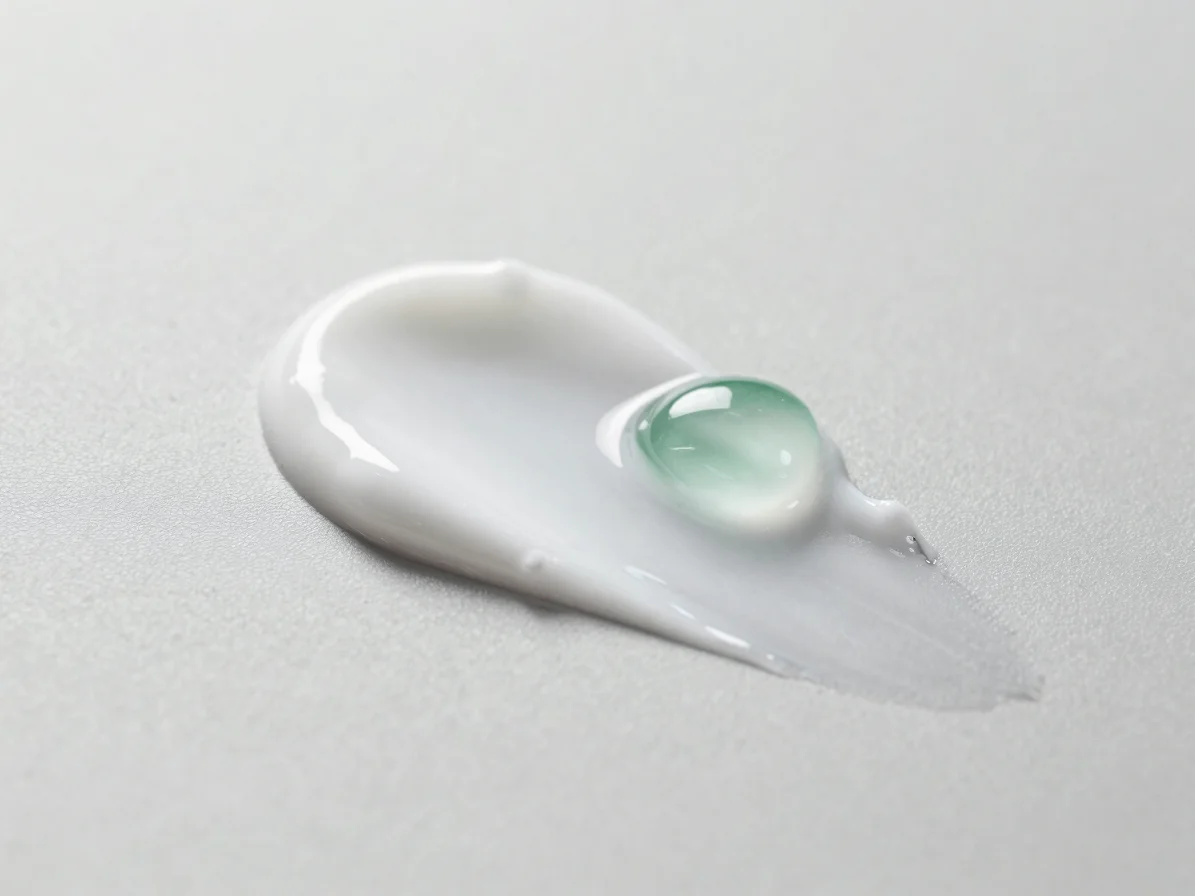

Exfoliation pacing
Exfoliating products are easy to overuse. Many readers find that spacing sessions out and starting with a low-strength formula helps reduce irritation while the skin adjusts.
Pause if you notice persistent sensitivity, and check with a qualified professional about any ongoing concerns.
Clinic and home
Comparing professional treatments with at-home routines
Professional facial treatments and daily topical products do different jobs. A treatment is a time-limited service; a topical serum is an ongoing habit. Comparing them side by side helps you decide what to try first.
Before a clinic visit, keep your routine simple and avoid introducing several new actives at once, so any reaction is easier to trace.
After a visit, a gentle barrier-support moisturizer and a sunscreen are a practical starting point. Reintroduce stronger topical products only when your skin feels settled.
Glow Guide does not provide medical advice. If a product or treatment causes persistent irritation, consult a qualified professional.